


Endocrinology and therapeutic medicine
Endocrinology is a medical field that studies the structure, functions and diseases of the endocrine glands.
Diseases of the endocrine system can develop asymptomatically for a long time, or their symptoms are similar to other diseases. The danger of endocrinological diseases is that they can lead to irreversible changes in the functioning of the body, which requires complex, long-term, often life-long treatment. It is extremely important to detect malfunctions of the endocrine system in the pre-symptomatic stages in order to prevent their further development and reduce the risk of complications.
Endocrinology is divided into:
- diabetology (diabetes and glucose metabolism disorders);
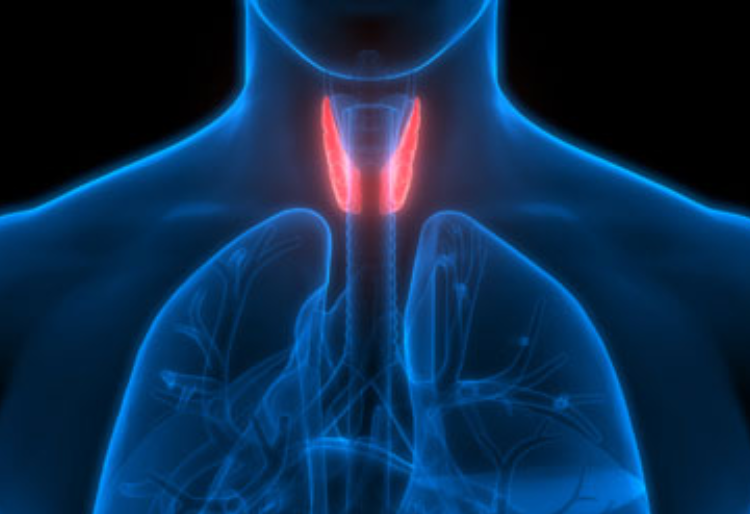
- thyroidology (diseases of the thyroid gland);
- reproductive endocrinology (sex hormones, their function in the body, menopause and andropause) - in this field, endocrinologists work in close cooperation with gynecologists and urologists;
- children's endocrinology (growth, maturation, sexual development);
- the section on obesity and metabolism is closely related to nutrition.
Somewhat rarer, but very important directions:
- The section is devoted to tumors of the endocrine system. In the endocrine glands, various nodes, tumors or simply structural changes (heterogeneity, hyperplasia) often appear. Very often, these tumors behave differently than most tumors of other tissues in the body - endocrine tissue is generally very variable.
- Neuroendocrinology is a section devoted to the hormones of the pituitary gland, which regulate the action of the rest of the hormones. The pituitary gland is located in the very center of the brain, hence the name neuro.
- A section dedicated to the adrenal glands - small glands in the very center of our body that maintain pressure, determine fluid and salt balance, and carry out most stress reactions. It is here that the most famous hormone, adrenaline, is produced.
When is an endocrinologist consultation necessary?
- If you feel discomfort in the neck area, a feeling of "coma in the throat", which increases when swallowing.
- If you notice weakness, increased fatigue, drowsiness, forgetfulness, apathy, bad mood.
- Dryness of the skin increases, nails become more brittle, hair becomes thinner, dull, begins to fall out, swelling appears, body weight increases.
- The pulse increases, emotionality increases, a feeling of internal trembling appears.
- Dryness of the eyes increases, there is a feeling of "sand" in the eyes, lacrimation.
- You are overweight or underweight, sudden changes in weight in a short period of time.
- If you feel dry mouth, thirst, weakness, heaviness in the head.
- With accelerated urination, the appearance of itching, furunculosis, fungal infections, visual disturbances.
- If there is a violation of the menstrual cycle, infertility, the appearance of secretions from the mammary glands outside of pregnancy, increased irritability, frequent headaches.
- With a decrease in libido and potency, male infertility, enlargement of the mammary glands and active hair loss on the face and body in men.
- In the presence of pain and reduced mobility in the joints.
- At early menopause (up to 50 years) bone fractures that occurred with minimal trauma. With acne breakouts, increased oiliness of the skin and hair, hair loss, excessive hair growth on the face, chest, inner surface of the thighs.
- With an increase in blood pressure under the age of 45, there is a crisis course of hypertension, which is difficult to correct with traditional hypotensive drugs.
Regular consultations with an endocrinologist are recommended:
- overweight patients;
- women planning pregnancy;
- women at the age of menopause and men at the age of andropause;
- patients under 40 years of age with high blood pressure;
- relatives of people with diabetes and thyroid cancer;
- to athletes - beginners in order to improve results, as well as to those who use anabolic steroids.


