


When you need to take a calcitonin test
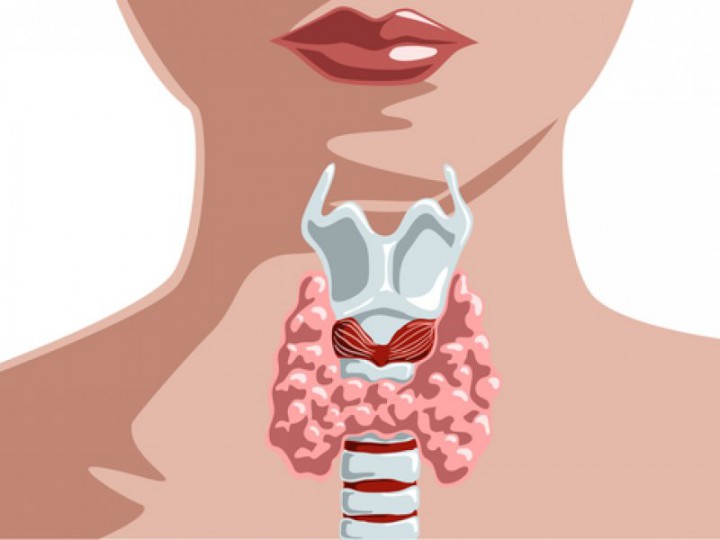
Calcitonin is a hormone that is produced by the cells of the thyroid gland and is involved in the regulation of calcium and phosphorus metabolism in the body. It performs the opposite function of parathyroid hormone, which is formed in the parathyroid glands. The hormone promotes the active influx of calcium from blood serum into bone tissue, increasing its density, and also inhibits the reverse process - bone resorption. Normally, calcitonin and parathyroid hormone are in a balance that is optimal for maintaining a normal concentration of calcium in both blood and bone tissue.
Based on the level of hormone concentration in the blood, it is possible to diagnose medullary thyroid cancer at an early stage. Pathological changes affect C-cells, due to which they begin to function in an enhanced mode. As a result, the content of calcitonin increases, therefore, any deviations from the norm are the first to suspect oncology.
One blood test is not enough to establish a diagnosis, because physiological fluctuations of the hormone can be observed during pregnancy or in old age. Cancer can be confirmed only after a complex of diagnostic measures, including laboratory tests, ultrasound, radioisotope scanning of the gland, etc.
In the laboratory, each patient can take a blood test to investigate the level of calcitonin in the serum and timely detection of thyroid gland pathologies. The concentration measurement procedure is carried out on modern equipment, which ensures high accuracy of the results. If necessary, the patient can make an appointment with an experienced endocrinologist or oncologist to interpret the values and undergo additional diagnostics to accurately determine the causes of deviations from the norm.
Synonyms
Calcitonin, thyrocalcitonin, thyrocalcitonin, TKT, Calcitonin, Human calcitonin, Thyrocalcitonin, Ct.
Indications for the appointment of the analysis
Determination of the level of calcitonin is prescribed in the following situations:
- suspicions of osteoporosis (in the presence of bone deformities, fractures, increased bone fragility);
- violation of phosphorus-calcium metabolism;
- if multiple endocrine dysplasia syndrome is suspected (may include medullary thyroid cancer, pheochromocytoma and/or parathyroid gland enlargement with corresponding hormone imbalance);
- suspicions of a malignant neoplasm in the thyroid gland;
- the presence of nodes in the thyroid gland, an increase in the size of the organ;
- pheochromocytoma or suspicion of it;
- preparation for surgical removal of the tumor
Also, the study is conducted as a screening study in people whose relatives suffered from medullary thyroid cancer.
Research methods
The research is carried out by the method of solid-phase chemiluminescent immunoenzymatic analysis (aka the sandwich method). The patient needs to donate venous blood.
Preparation for taking the analysis
Recommendations for preparing for a blood test for calcitonin:
- exclude food intake at least 12 hours before the procedure, since blood is taken on an empty stomach;
- exclude spicy and fatty food from the diet for a day;
- refuse to take oral contraceptives for a month before taking the test;
- during the day before the procedure, try to avoid excessive physical exertion, emotional overstrain;
- stop smoking 2-3 hours before the test.
Ignoring the recommendations may affect the reliability of the analysis results. It should also be taken into account that the level of calcitonin can be affected by various factors. Before passing the analysis, it is desirable to exclude or reduce them to a minimum.
Risk factors include:
- hormone therapy using the female sex hormone estrogen;
- intravenous administration of calcium preparations;
- significant physical exertion;
- alcohol consumption;
- eating a lot of carbohydrates.
Analytical result
Deciphering the results of the examination should be done by specialists who assess compliance or deviations from the norm depending on various factors:
- age and gender of the patient;
- individual physiological features;
- research methods
If the content of calcitonin exceeds the established normative values, an additional examination is prescribed. An excess of the hormone may indicate the presence of the following pathologies:
- chronic kidney diseases;
- cirrhosis of the liver against the background of alcohol dependence;
- pancreatitis;
- benign formations in the lungs;
- certain types of lung, breast, prostate, or pancreatic cancer


