


- Main
- Useful Information
- Preparation for blood tests
Preparation for blood tests
Blood tests are one of the most important indicators of the body's work. Most often, changes in certain parameters occur long before the first symptoms appear. If these abnormalities are detected in time, measures can be taken to eliminate the disease in the early stages of development. This greatly simplifies the treatment. If the patient is already undergoing therapy, the control of certain indicators helps to evaluate the effectiveness of the measures.
The final result depends on the quality of the patient's preparation for blood tests. Modern equipment allows you to obtain accurate data in the shortest possible time, however, for its adequate operation, it is necessary to observe a number of restrictions. How to properly prepare for a blood test from a vein and what rules must be followed by an adult patient so that the result is truly reliable? Here are some general recommendations and specific algorithms.
General recommendations for preparation
It is important to understand that most indicators change depending on nutrition, physical activity, and time of day. That is why the basic rules for preparing for a blood test from a vein do not depend on the type of study.
- If possible, it is recommended to donate blood in the first half of the day, on an empty stomach. If necessary, you can donate blood during the day, no earlier than 3 hours after a meal.
- 1-2 days before the study, it is not recommended to consume fatty food and alcohol.
- It is recommended to limit physical exertion, hypothermia and overheating as much as possible.
- 1 hour before the study, avoid physical and emotional stress, smoking.
- On the day of the study, 2-3 hours before the procedure, drinking regime: only water in the usual amount, you cannot drink tea, coffee, juice, etc.
- On the day of the study, it is necessary to agree with the doctor on taking medicines.
- It is not possible to donate blood immediately after physiotherapeutic procedures, instrumental examination, X-ray and ultrasound examinations, massage and other medical procedures.
General rules apply to all analyses, but some studies require special training and additional restrictions.
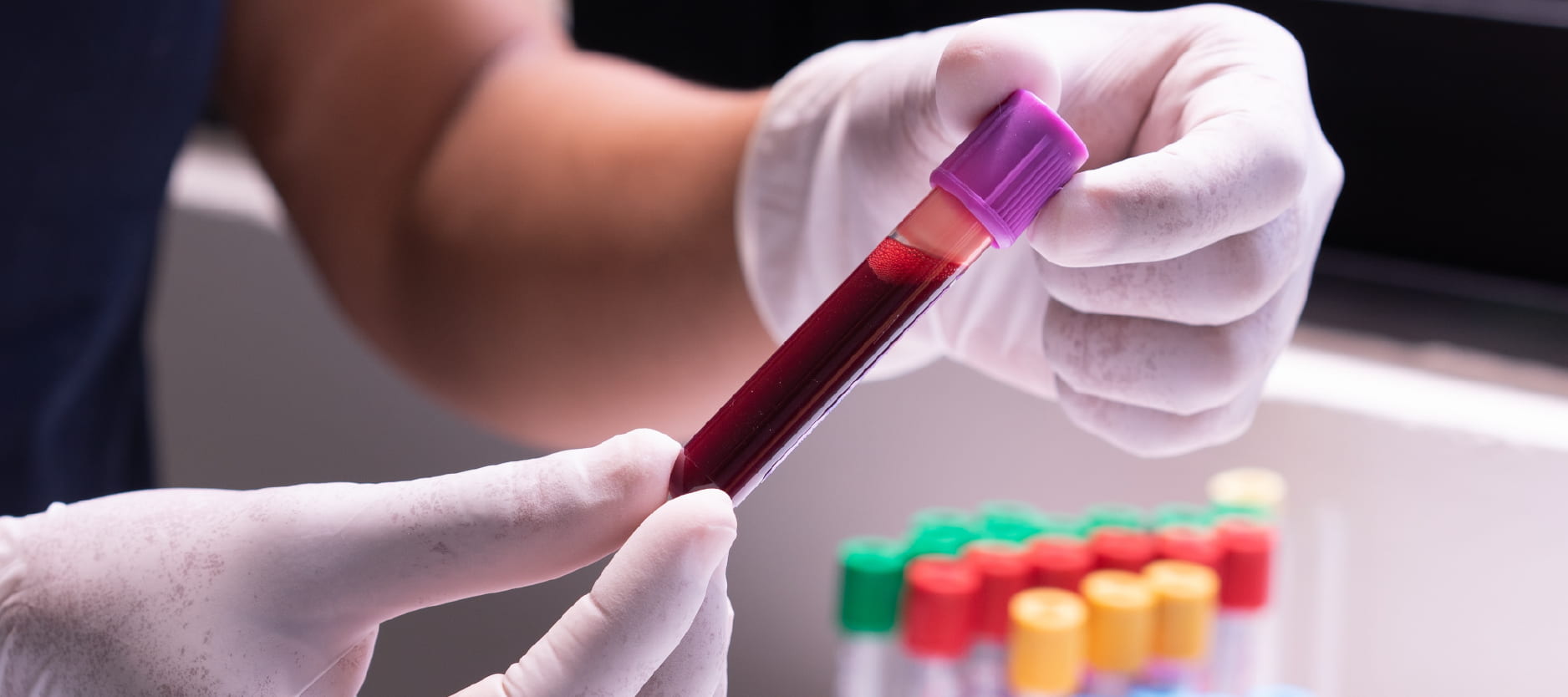
It is very important to follow the recommendations below, because only in this case will reliable research results be obtained.
General clinical blood analysis
In an emergency situation, a clinical blood test can be given without preparation. If the research is conducted in a planned manner, the general rules of preparation must be followed.
Biochemical study of blood
This research makes it possible to evaluate the parameters of the metabolism of individual substances and trace elements, as well as to calculate a number of coefficients and risk values. In most cases, the algorithm for preparing the patient before giving venous blood for biochemical analysis requires dietary restrictions. Depending on the type of research, specific products should be excluded a few days before the procedure. It is also important that the patient fasts for 8-12 hours before visiting the laboratory. During this period, you can drink only clean still water.
Urea, uric acid
2-3 days before the study, it is recommended to give up the use of liver and kidneys and limit meat, fish, coffee, tea as much as possible in the diet.
Cholesterol, triglycerides, high-density lipoproteins and low-density lipoproteins
The analysis is performed strictly on an empty stomach (12-14 hours of fasting).
Do not eat fatty, fried food 1-2 days before the intended study.
2 weeks before the study, it is necessary to cancel drugs that lower the level of lipids in the blood (strictly in consultation with the doctor).
Glucose
The study is carried out strictly on an empty stomach (12-14 hours of fasting). The consumption of any drinks other than pure water is also prohibited. If the patient needs to take any medication, the doctor should be informed about it. If possible, it is better to drink pills after submitting the biomaterial.
Glucose tolerance test (GTT)
The study is carried out strictly according to the doctor's prescription. It is contraindicated in patients with type 1 diabetes. To obtain reliable results, it is necessary to follow the general rules of preparation, as well as 3 days before the procedure:
- consume no more than 150 g of carbohydrates (in pure form) per day;
- exclude physical activity;
- do not overheat, do not visit the bathhouse and sauna;
- cancel taking diuretics, contraceptives and glucocorticoid hormones (only after consulting a doctor).
During the research, several blood samples are taken. In the period between them, you cannot leave the medical facility, drink water, eat food, or smoke.
Vitamin D
Before donating blood for the analysis of vitamin D levels, it is necessary to refrain from taking any drugs and nutritional supplements containing calciferols for 3 days, as well as to follow the standard rules of preparation.
Blood tests for infections
Although the content of antibodies or antigens does not depend on the quality of nutrition or the patient's lifestyle, in order to obtain the most accurate result, it is necessary to follow the general rules for preparing blood for clinical analysis. It is necessary to reduce physical activity, smoking, and to refuse visiting the bathhouse and sauna. The fasting period should be at least 8 hours.
Blood hormones
All blood tests for hormones are recommended to be performed not once, but in dynamics, for greater reliability and the possibility of comparative evaluation of the results. Repeated studies are carried out at the same time of the day after 2-3 weeks. Evaluation of results in dynamics is more informative both in diagnostic and prognostic terms.
Thyroid gland function
The best time to donate blood is in the morning. When studying dynamics, blood donation should be carried out at the same hour and preferably in the same laboratory. It is also necessary to minimize the intake of medicines (ideally, to refuse any means after consulting a doctor). If an assessment of the effectiveness of hormonal therapy is required, the tests are submitted no earlier than 6 weeks after the appointment of treatment or its correction. On the eve of the study, you need:
- minimize stress;
- reduce physical activity;
- sleep well
The analysis is not performed in the period of acute infection, as well as against the background of impaired metabolism of fats and/or vitamins.
It is recommended to donate blood in the morning, on an empty stomach. You can drink clean water as usual. If necessary, you can donate blood during the day, no earlier than 3 hours after a meal.


