


- Main
- Useful Information
- Screening that saves the lives of thousands of women every year
Screening that saves the lives of thousands of women every year
Cervical screening is a systematic testing to detect pathology of the cervix in asymptomatic women.
Cervical screening includes several stages, which are different studies. They go one after the other, weeding out low-risk women. Only women with a high risk of developing cervical cancer remain, who have cervical lesions and need intervention. In order for cervical screening to be as effective and economical as possible, it should include two types of tests: screening and confirmatory.
Modern screening strategies are based on a combination of two methods - the Pap test and the HPV test. Cervical screening is the most common method in the world for detecting precancerous lesions of the cervix.
What is cervical cancer?
Cervical cancer is an oncological disease that is mostly caused by the human papillomavirus (HPV). Cervical cancer (CRC) is quite common, ranking second among all gynecological cancers after uterine body cancer.
The initial pathological signs of the cervix, which can later turn into cancer, often appear at the age of 20-30. This type of oncology is considered to be slowly progressive. 45-50 years is the average age of women diagnosed with cervical cancer. Treatment, started on time, prevents the development of the disease.
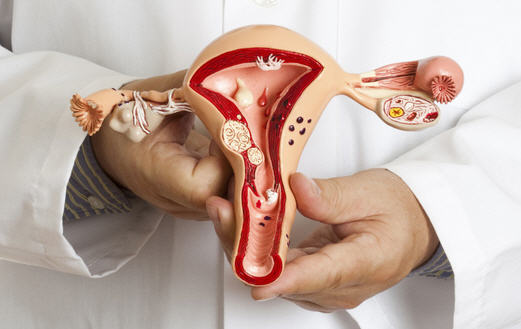
Diagnosis of cervical cancer
One of the most important methods of early detection of any female disease is regular gynecological examination. Since the clinical manifestations of precancerous and background diseases are not pronounced, differential diagnosis of cervical cancer will help to detect changes. It includes:
- Modern colposcopy (examination of the cervix under a microscope)
- Analysis for detection of strains of oncogenic papillomaviruses.
- Cytology analysis (PAP test based on liquid cytology)
- HPV vaccination
Cytological screening is a study of smears that helps to detect a pathological process.
Colposcopy is the main diagnostic method. If necessary, it is supplemented with manipulations (biopsy of the cervix with subsequent histological examination).
Who needs to be screened?
1. Patients over 18 years of age
2. Who started sex early
3. Who have several sexual partners
Signs of the disease usually appear when cancer cells begin to grow through the upper layer of the cervix into the surrounding tissue below it.
It is necessary to consult a gynecologist if a woman is more often bothered by:
- abnormal bleeding
- bleeding in menopause
- pain during intercourse
- bleeding after intercourse
- pain in the pelvis
- spotting bleeding between periods
- other abnormal discharge from the vagina, unusual in quantity, color or smell.
Who needs to be vaccinated?
1. It is best to vaccinate girls at the age of 11-14 or before the beginning of sexual life.
2. Women of reproductive age.
3. Men can also be vaccinated, because they can be carriers of HPV.
Early diagnosis, the vaccine to prevent HPV infection, screening tests, and treatment of cervical cancer in women are critical to reducing the death rate. If the neoplasm is detected at the initial stage, the probability of curing it is 80-100%.


