


Why is the glucose tolerance test used?
Indications for the appointment of the analysis
The purpose of this study is to determine violations in carbohydrate metabolism.
In this way, the following diseases are diagnosed:
- fasting blood glucose;
- diabetes;
- impaired glucose tolerance.
Test diagnostic examination is necessary to determine the state of health, disorders in glucose metabolism.
Endocrinologists-diabetologists prescribe a similar examination in the following cases:
- the presence of symptoms of diabetes;
- entering the risk group of developing this disease;
- heredity;
- BMI index over 25 km/m2;
- arterial hypertension;
- low physical activity;
- disorders in lipid metabolism;
- impaired glucose tolerance, gestational diabetes;
- the presence of diseases of the cardiovascular system
All these factors give the specialist a reason to refer the patient for testing in order to make a more accurate diagnosis and prescribe a treatment regimen that will alleviate the condition. The term of readiness of the analysis is 1-2 days.
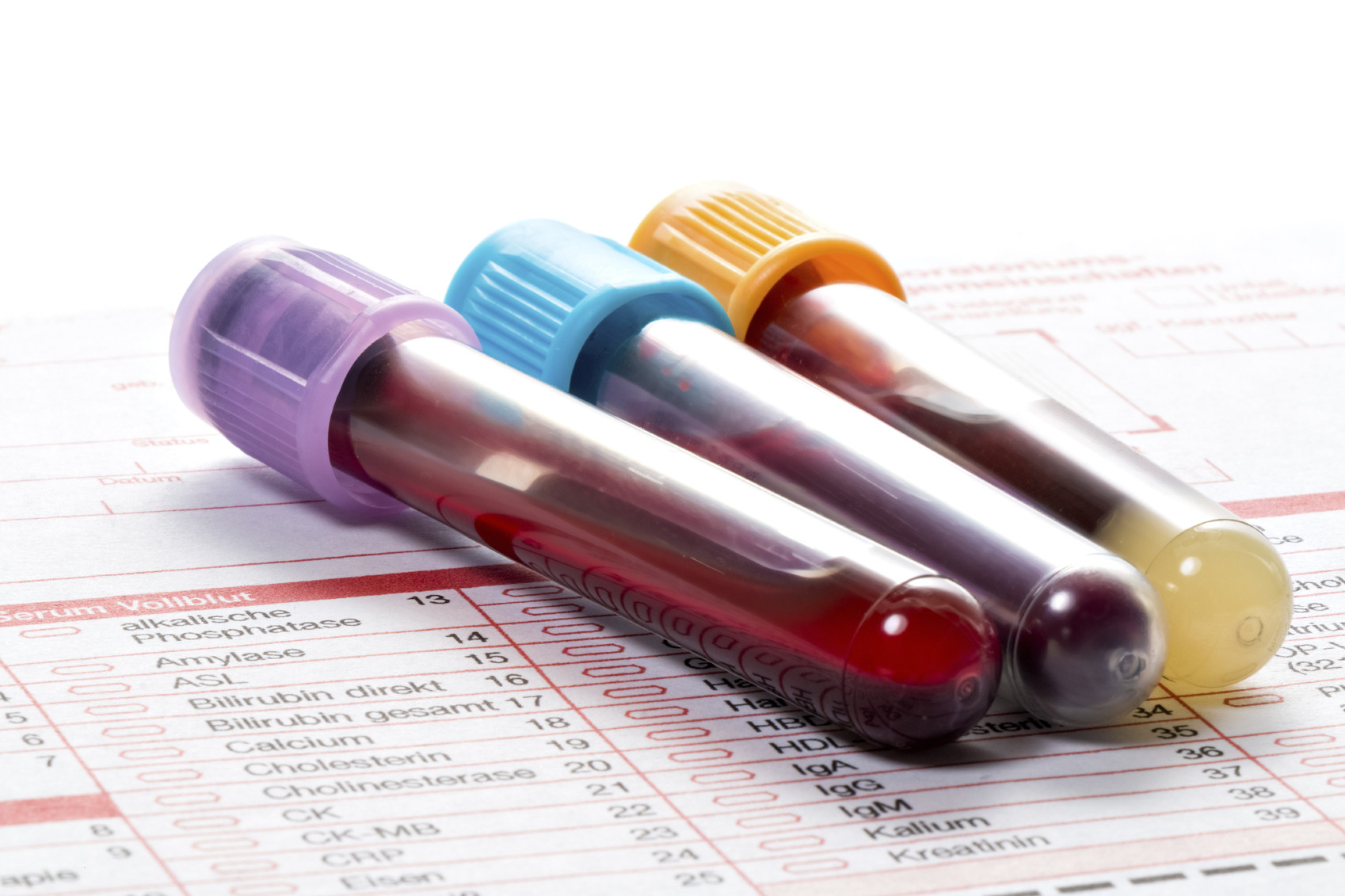
The glucose tolerance test cannot be used to diagnose a patient in the following cases:
- the presence of any acute disease, including viral and infectious
- taking drugs that increase the level of glycemia.
In the second case, it is necessary to take a break before testing. Its duration should be determined by an endocrinologist based on the patient's clinical picture and well-being. He will decide whether it is possible to use testing for diagnosis at all, and also indicate how many days it is necessary to exclude from the use of drugs capable of increasing the level of glycemia, so that the test gives a reliable result.
Description of the study
There are two types of glucose tolerance test: extended, which involves five stages of performance, and standard, in which blood is taken only twice. Hyperglycemic and postglycemic coefficients are determined in each of them. Specialists are guided by these indicators when they need to understand whether the patient has problems with glucose metabolism and at what level.
Oral examination begins in the morning. First, a fasting blood test is taken, then the patient is asked to drink 75 g of anhydrous glucose, or 82.5 g of glucose monohydrate, which is then dissolved in 250-300 ml of water, can also be taken. It is necessary to drink within five minutes (a little more).
The test is performed when the person is in a calm state. There should be no physical activity, smoking is strictly prohibited. The test consists of only six stages of blood sampling. After the first one, before each subsequent one, it is suggested to drink a portion of glucose. For children, the glucose tolerance test involves a smaller portion of the drug. The volume depends on the weight and age of the child. The doctor calculates everything individually in each individual case. After each blood test, hyperglycemic and postglycemic coefficients are determined.
If the fasting blood glucose level exceeds 7 mmol/l, this level of glucose in the blood indicates that the patient cannot be tested. This figure, obtained first under the condition of quality preparation for the analysis, already makes it possible to make a diagnosis.
This testing technology makes it possible to detect various disorders in the body's carbohydrate metabolism, but it does not allow determining the causes of the disease. Therefore, when any problem is detected, a visit to an endocrinologist is mandatory. An experienced specialist will be able to study the clinical picture, prescribe additional examinations in order to prescribe effective treatment and restore the patient's health.
Preparation
Patients are advised to eat normally for at least three days, consuming at least 150 grams of carbohydrates daily. At the same time, it is necessary to maintain normal physical activity. Immediately before the glucose tolerance test, you should fast for 8-14 hours. You can drink water, but it must be still.
Also, during the preparation for the test, you will need to do the following:
- eat 30-50 g of carbohydrates for dinner;
- refrain from smoking in the evening;
- one day before the study, avoid drinking alcohol.


