


- Main
- Useful Information
- How a gastroscopy of the stomach is performed
How a gastroscopy of the stomach is performed
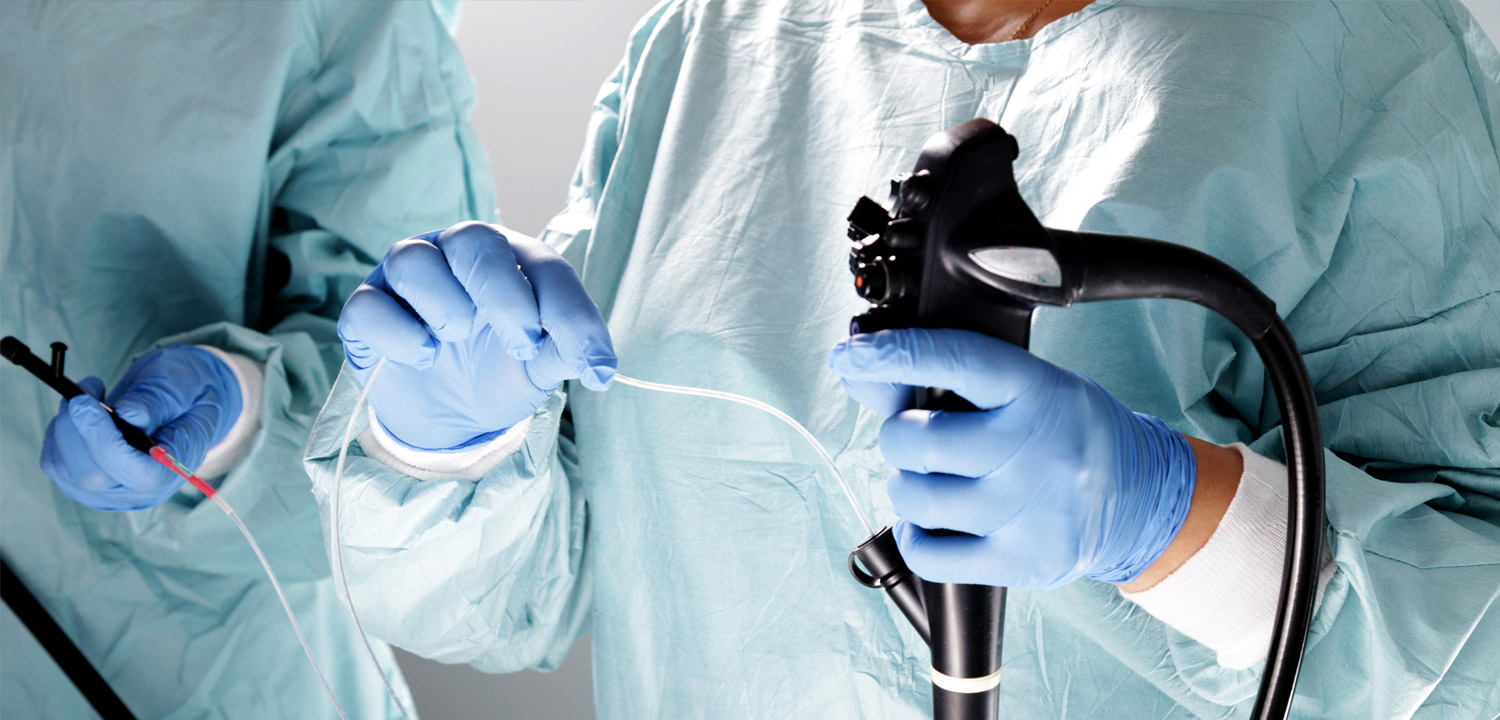
Gastroscopy (EGDS, esophagogastroduodenoscopy, fibrogastroduodenoscopy, FGDS) is an endoscopic examination that allows you to visually examine the mucous membrane of the esophagus, stomach, and duodenum. The examination is carried out using an endoscope, which is a flexible probe with a built-in video camera that allows the doctor to receive images on the screen. The information obtained with the help of this procedure makes it possible to make an accurate diagnosis and choose an adequate method of treatment.
In the Giorno multidisciplinary medical center, you can have a gastroscopy of the stomach for a fee to avoid unpleasant sensations during the procedure. The study makes it possible not only to visually examine the walls of the initial sections of the digestive tract, but also to perform small manipulations: stop bleeding, take a tissue section for biopsy, remove a polyp or a foreign body.
The purpose of gastroscopy
The EGDS method is indispensable in the diagnosis of diseases of the esophagus, stomach and duodenum. When performing a gastroscopy, a doctor can diagnose gastritis, all forms of peptic ulcer disease, as well as tumor processes even in the early stages, unlike other methods that detect the disease in the late stages of the disease. With the help of a modern endoscope, polyps and erosions are not only detected, but also effectively treated.
Additional functions of the endoscope allow the following medical procedures to be carried out:
- injections or spraying with medicines;
- removal of polyps;
- stopping bleeding;
- treatment of vascular and lymphatic system diseases;
- solving the problem of a narrowed lumen of the esophagus;
- introduction of a special probe designed to feed the nutrient mixture to the stomach.
Indications for gastroscopy
The reason for gastroscopy can be:
- pain, heaviness in the stomach after eating or pain on an empty stomach;
- constant, debilitating heartburn;
- profuse belching;
- "unreasonable" weight loss or lack of appetite;
- frequent nausea and vomiting;
- unpleasant taste sensations.
WHO statistics indicate an increase in the number of malignant neoplasms of the gastrointestinal system of people all over the world, therefore, after reaching the age of 45, it is recommended to regularly undergo preventive EGD, the price of which is much less than the cost of treatment.
Preparation for gastroscopy
The most informative and correct esophagogastroduodenoscopy is possible only with complete removal of all foreign substances that can distort the picture. Therefore, gastroscopy is usually performed on an empty stomach, with a previous 8-12-hour interval of abstinence from food and water. An exception is made only for emergency gastroscopy, when a probe emptying of the stomach is performed.
After an x-ray examination of the gastrointestinal tract using contrast agents, up to three days should pass before conducting an EGD.
Recommended examinations before endoscopy
- EKG. For patients with diseases of the cardiovascular system, as well as patients over the age of 50 (especially when signing up for a study under sedation), it is advisable to have an ECG or to have with you the data of a previously performed ECG (not later than 1 month).
- General blood test. The presence of a number of diseases in the patient (coagulopathy, thrombocytopenia or portal hypertension) require special attention during diagnosis. The results of the blood test must be taken into account by the doctor during the endoscopy.
- Analysis of the infectious group. Tests for HIV, hepatitis and syphilis are standard during minimally invasive procedures (including endoscopy), before surgical operations and hospitalization.
The listed examinations are of a recommendatory nature and are aimed at identifying contraindications and ensuring maximum safety during endoscopic examinations.
How a gastroscopy of the stomach is performed
The patient lies on his left side and "swallows" the endoscope, which, with the help of a flexible fiber-optic system, the doctor inserts into the esophagus and then into the stomach.
The sensitive sensors of the probe and the high resolution of the monitor allow the doctor to obtain a highly accurate, detailed image of the mucous membrane of the gastrointestinal tract.
The doctor conducts a detailed examination of the mucous membrane and, if necessary, takes samples for biopsy. The great experience of the diagnosticians makes it impossible to damage the mucous membrane during manipulations.
Gastroscopy provides high diagnostic accuracy, if a tumor process is observed in the gastrointestinal tract, the endoscopist will detect changes in ninety-nine cases out of a hundred, even at the stage of initial tumor formation. This allows you to promptly start treatment and restore health.
Gastroscopy results
The doctor makes the first conclusions as a result of a visual inspection during the manipulations. According to the condition of the mucous membrane, he confidently diagnoses gastritis, peptic ulcer, colitis, and according to its color change and the presence of swelling - the presence of tumor diseases. Based on these points, the specialist issues a written report to the patient with a schematic representation of the location of the detected defects.
Based on the results of the examination, recommendations or referrals to specialists for further treatment are provided. In the case of taking material for histological or cytological examination, the final conclusion is issued after receiving laboratory data in 5-7 working days.


